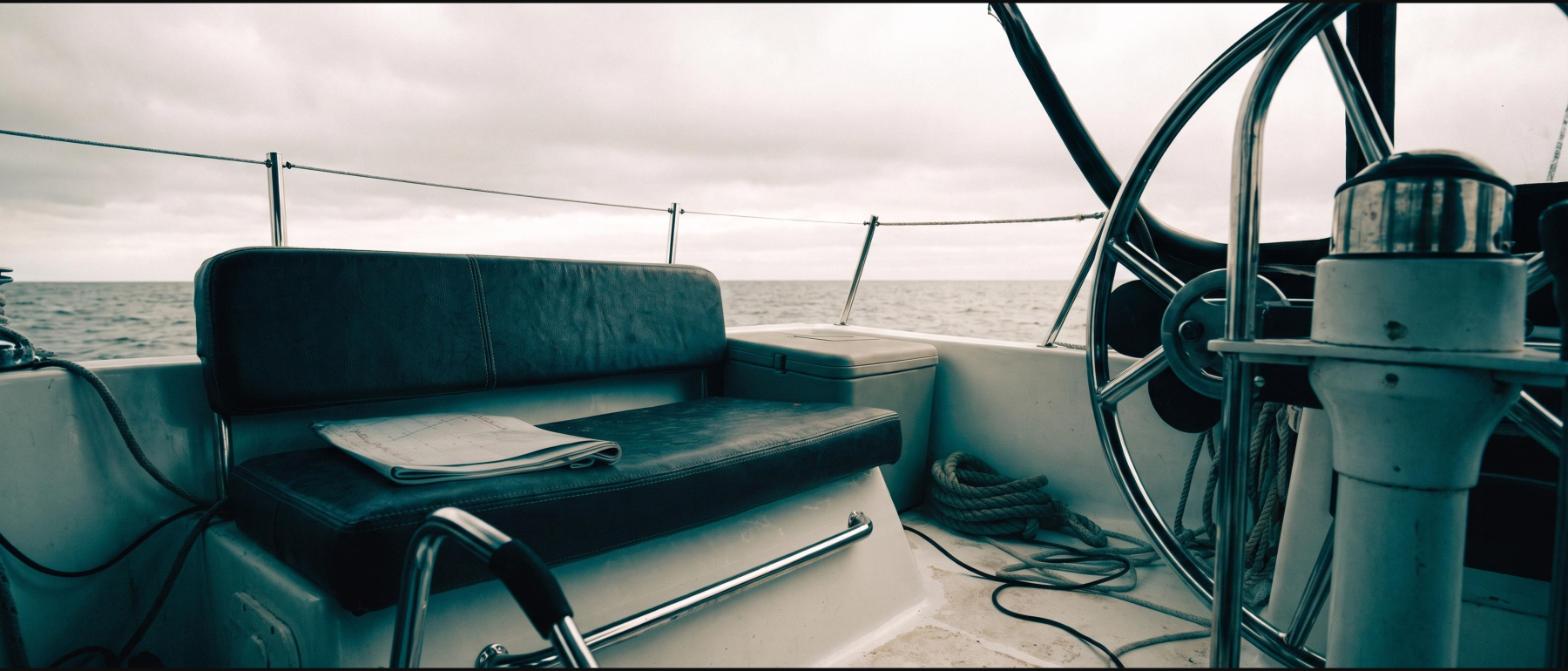
Ask anyone who has spent a weekend aboard what they dislike about the cooler and nobody says it failed to keep things cold. They say the sandwiches went soggy, or that a gallon of pink water went across the sole when the boat heeled, or that they were bailing the cooler with a mug at anchor.
Cold is the easy part. Water is the problem, and on a boat it is a worse problem than it is anywhere else.
Why It Is Worse Afloat
Bagged ice arrives as roughly seven pounds of water waiting to happen. In a car that water sits in a drain plug. On a boat it sloshes with every wave, finds the one gap in the lid seal, and ends up in the cockpit sole or, worse, running aft into the bilge where it becomes a smell you will be chasing for a month.
There is also the space problem. Ice occupies volume that you cannot get back, and unlike a dock run you cannot replace it once you have left. Every pound of ice you carry is a pound of capacity not carrying food.
What Reusable Packs Change
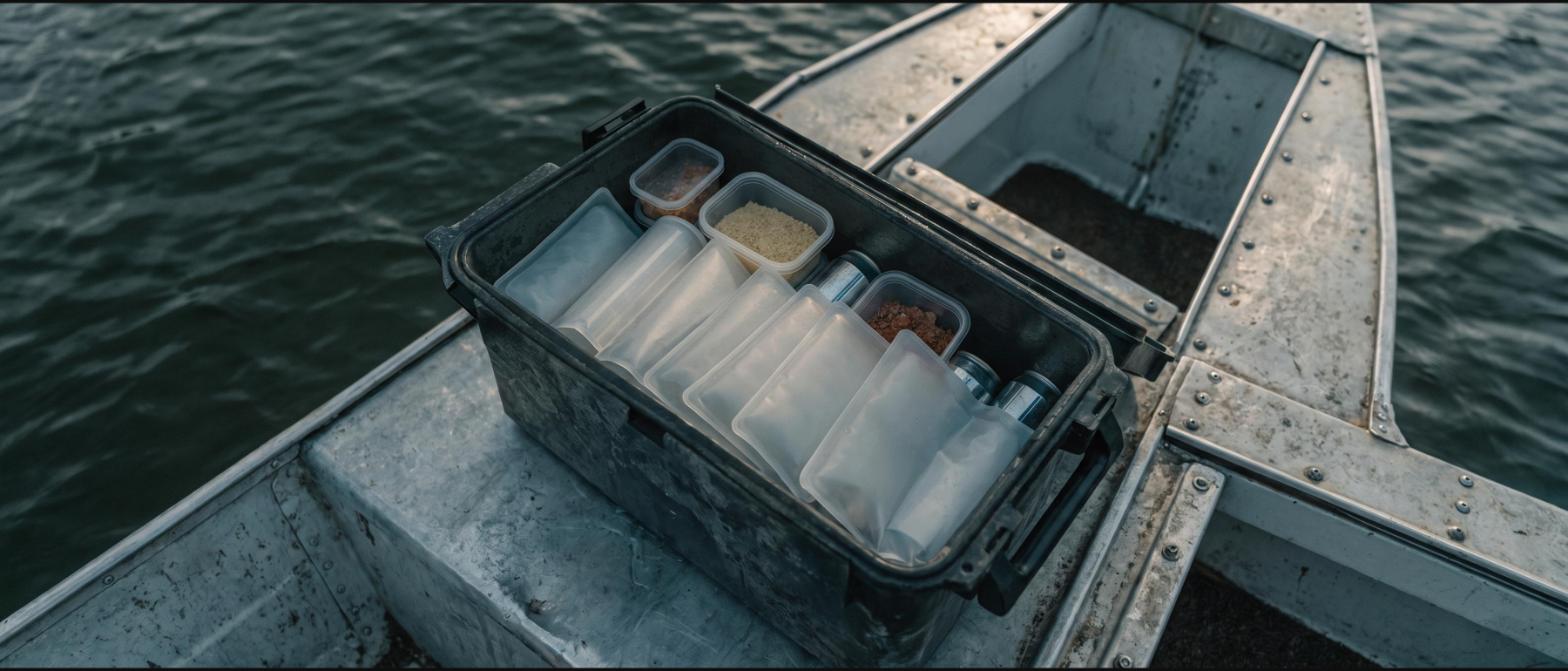
A sealed gel or phase-change pack does the same job without releasing any water at all. Food stays dry, labels stay on, nothing floats. Flat rectangular packs also stack better than cubed ice — laid between layers rather than dumped on top, which is a more efficient use of a cooler that has to fit into an awkward locker.
A three-pack of the larger flat panels replaces roughly seven pounds of cubed ice, and manufacturers of the better ones quote around 48 hours of useful cooling. That is a realistic weekend. If you are comparing options, most of the meaningful differences between the best cooler ice pack designs come down to puncture resistance and whether the pack stays flexible when frozen, which matters far more in a boat locker than in a picnic basket.

Watch: The Ultimate Ice Pack Challenge — Head To Head Match Up (YouTube)
The Honest Trade-Off
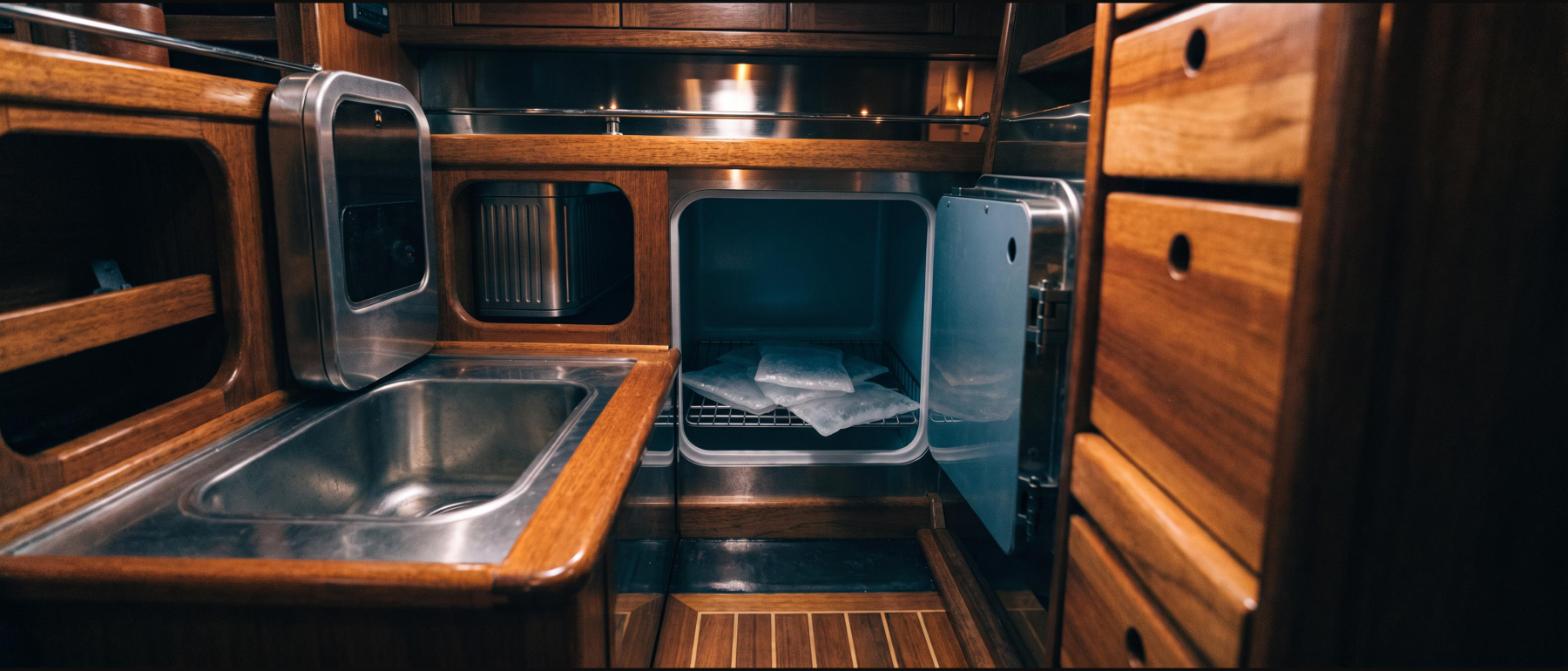
Packs have to be frozen solid before they work, and a typical boat freezer compartment is small and slow. Plan on 24 hours, which in practice means freezing them at home or at the marina before you leave, not the morning you go.
They are also finite in a way ice is not. Once a pack has given up its cold you cannot top it up from a bag at the fuel dock. For trips beyond about two days, the sensible approach is both: packs at the bottom and against the sides doing the structural cooling, a small amount of ice on top for the things you want genuinely cold, and the drain plug still checked before you leave the slip.
But for a weekend, a set of packs and no meltwater at all is a straightforward improvement — and you are not buying ice every single time you go out.